Understanding Disabled Scooters: A Comprehensive Guide
As the world ends up being progressively familiar with the requirement for inclusivity, mobility options for individuals with specials needs have actually progressed significantly. One of the most considerable developments in this regard has actually been the introduction and enhancement of disabled scooters, frequently referred to as mobility scooters. These scooters are designed to supply individuals with limited mobility the capability to navigate their environments comfortably and independently.
In this blog post, we'll explore the different types of disabled scooters, their functions, benefits, and crucial factors to consider when picking one. We will also answer regularly asked concerns to additional help people and their caregivers understand the ins and outs of mobility scooters.
Types of Disabled Scooters
Mobility scooters been available in various types and styles to accommodate various needs. Here is a detailed breakdown:
| Type | Description | Best for |
|---|---|---|
| 3-Wheel Scooters | Typically more maneuverable in tight areas. Requires some balance and uses a smoother trip. | Indoor and outdoor use in less crowded locations. |
| 4-Wheel Scooters | Offers more stability and often features greater weight capacity. Ideal for outdoor use. | Rough surfaces or outside use. |
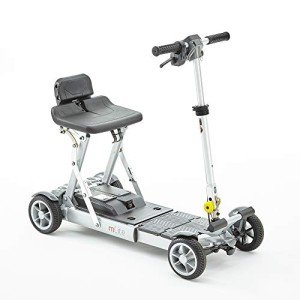
| Portable Scooters | Lightweight and quickly dismantled, making them practical for transport in automobiles. | Travelers or those with minimal storage space. |
| Durable Scooters | Designed for users with bigger frames and higher weight capability. Typically has effective motors. | Users requiring more stability and toughness. |
| All-terrain Scooters | Developed with rugged tires and boosted suspension systems to manage numerous terrain types. | Outside experiences and varied surfaces. |
Functions of Disabled Scooters
When considering a mobility scooter, it's vital to acknowledge that various functions can significantly impact the functionality and convenience for the user. Below is a list of vital features that many disabled scooters provide:
- Comfortable Seating: Many mobility scooters come geared up with cushioned and adjustable seats, making long rides more comfy.
- Battery Life: Look for scooters with resilient batteries to guarantee longer journeys without frequent recharging.
- Weight Capacity: Each scooter is developed to bring a specific weight. Knowing this helps users choose an appropriate alternative.
- Speed Options: Some scooters allow users to adjust speed settings for boosted control based on their convenience levels.
- Storage Solutions: Built-in baskets or storage compartments can boost the scooter's energy for bring personal belongings.
- Safety Features: Many scooters come equipped with lights, reflectors, horns, and even anti-tip features to keep users safe.
- Navigational Aids: Some advanced models have GPS navigation systems to assist users comprehend their surroundings much better.
Benefits of Using Disabled Scooters
The intro of mobility scooters has offered numerous people the flexibility to move more quickly. Here are numerous key benefits:
- Independence: These scooters allow users to perform daily activities without requiring support from household or caretakers.
- Ease of access: Mobility scooters promote access to public spaces, enhancing involvement in neighborhood life.
- Boosted Quality of Life: Mobility scooters help in reducing the sensation of seclusion and improve total psychological well-being by allowing users to explore their environments.
- Health Benefits: Regular use motivates physical activity, as users must engage numerous muscles to browse their environment.
- Economical: Many models are cost-effective compared to more sophisticated mobility devices, making them an available option for many.
Crucial Considerations When Choosing a Disabled Scooter
Selecting the best mobility scooter includes several factors to consider to guarantee that it fulfills the user's requirements effectively. Here's a checklist of aspects to think about:
- User's Weight: Confirm the weight capacity of the scooter. This affects safety and performance.
- Intended Use: Consider whether the scooter will be used more inside or outdoors to pick between 3 or 4-wheel scooters.
- Transportation Needs: Assess whether the scooter needs to be portable for travel or storage, which will assist you toward a foldable or disassemblable model.
- Battery Range: Look at how far the scooter can travel on a single charge to guarantee that it aligns with the user's daily requirements.
- Budget: Mobility scooters can be found in numerous rate varieties. It's necessary to find one that supplies the very best value without compromising safety and convenience.
- Warranty and Support: Consider models that offer service warranties and customer assistance for peace of mind relating to repairs and upkeep.
- Reviews and Recommendations: Research user reviews and speak with health care specialists or mobility centers about the best designs for particular requirements.
FAQ About Disabled Scooters
1. Are mobility scooters covered by insurance coverage?
Sometimes, yes. Medicare and certain private insurance plans may cover the cost of mobility scooters for qualifying people. It is vital to talk to your insurance coverage provider for specific requirements.
2. Do I need a driver's license to run a scooter?
Typically, you do not require a driver's license to utilize a mobility scooter. However, state or local guidelines might vary, so it's a good idea to consult your regional guidelines.
3. Can mobility scooters be used indoors?
Numerous designs are developed particularly for indoor use and can quickly navigate narrow spaces. It is vital to select a design suitable for the desired environment.
4. What maintenance do mobility scooters require?
Routine upkeep consists of inspecting tire pressure, ensuring the battery is charged, cleaning, and periodically lubricating moving parts. Seek advice from the owner's manual for specific assistance.
5. How quickly can mobility scooters go?
Many mobility scooters are created to travel at speeds between 4 to 8 mph, depending on the model. Always examine speed limits in public areas to adhere to regional laws.
Disabled scooters represent a significant development in mobility help technology, supplying numerous individuals with the flexibility to check out and engage in life actively. By comprehending the different types of scooters, their functions, advantages, and crucial considerations, users can make informed choices that best meet their mobility needs. With many models available, people can discover a mobility scooter that boosts their lifestyle, cultivating self-reliance and greater participation in neighborhood activities.
Whether for a journey around the community or adventures into nature, the ideal mobility scooter can provide users newfound freedom and opportunities. anisavolesky.top in research and exploration can lead to enhanced mobility and a richer, more fulfilling life for those with impairments.